01
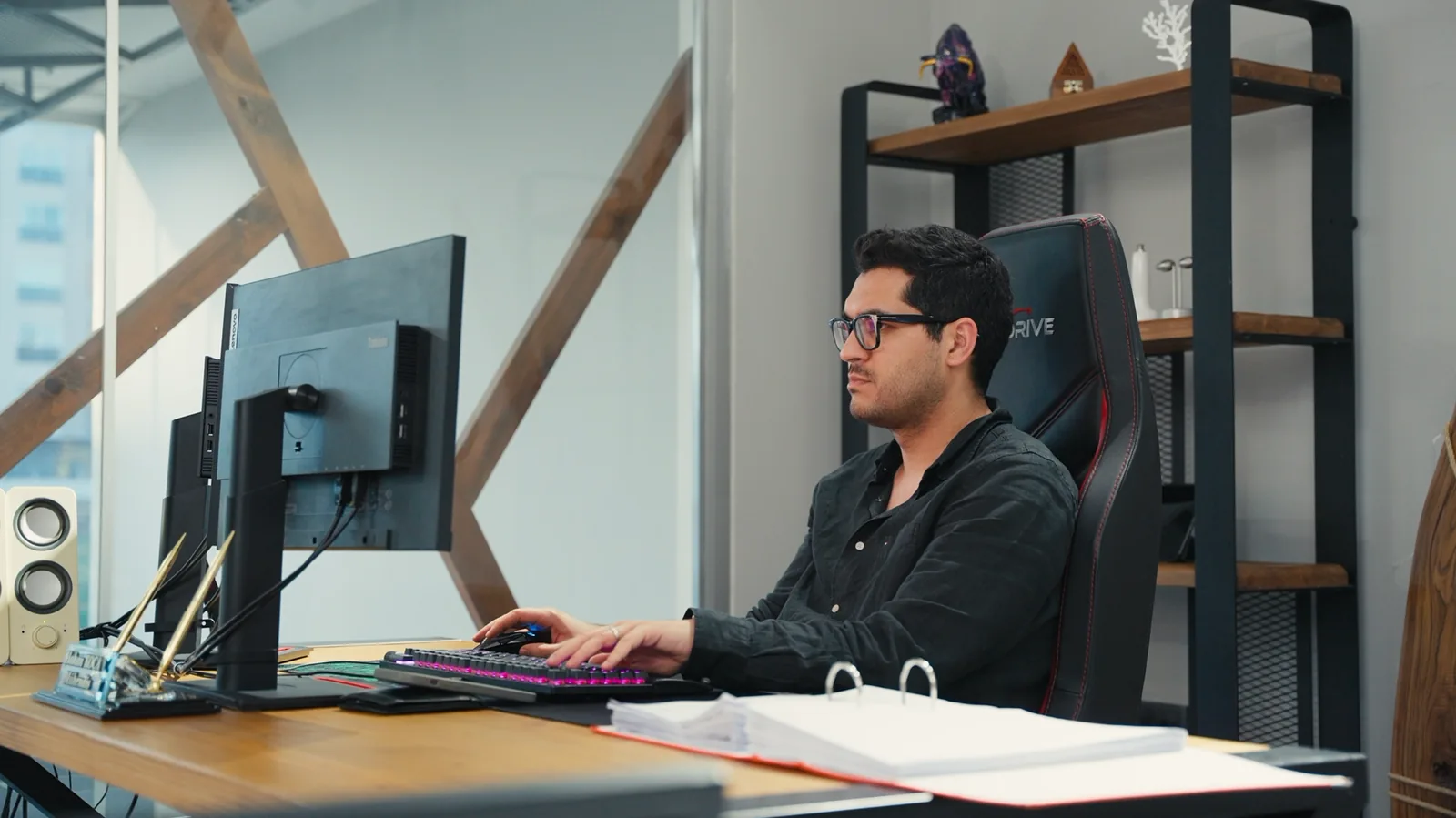
Design and R&D
Schematic, PCB layout, firmware and test fixtures are developed in house. No block in the power path is a black box to us.
- Schematic design
- PCB layout
- Firmware
- Prototype validation

Production and technology
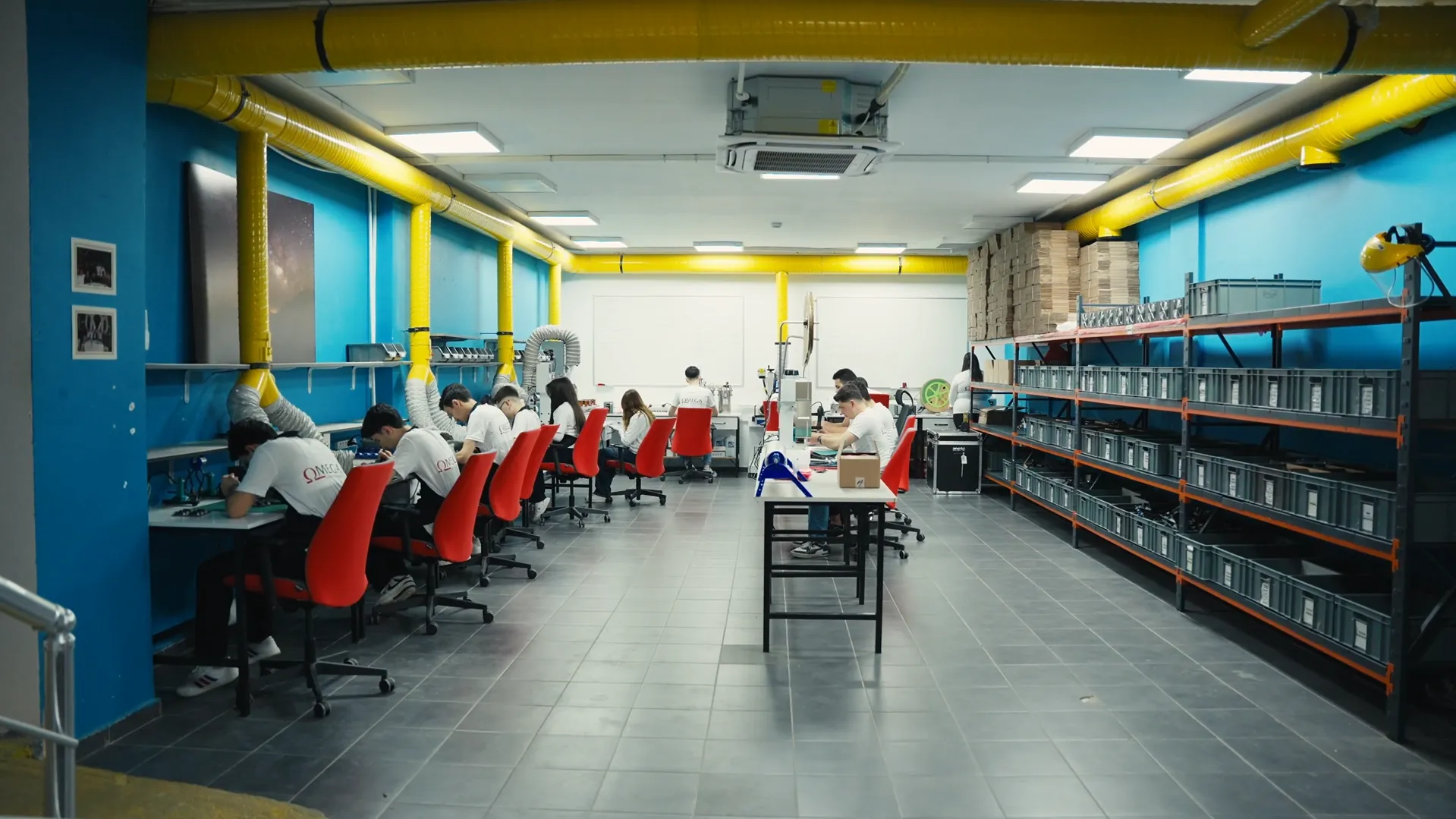
Every step from schematic and PCB design to testing under load happens in our own facility. That is why we know the result of a revision without asking a supplier.
Process
All of the steps below are carried out in the same building, by the same team.
01
Schematic, PCB layout, firmware and test fixtures are developed in house. No block in the power path is a black box to us.
02
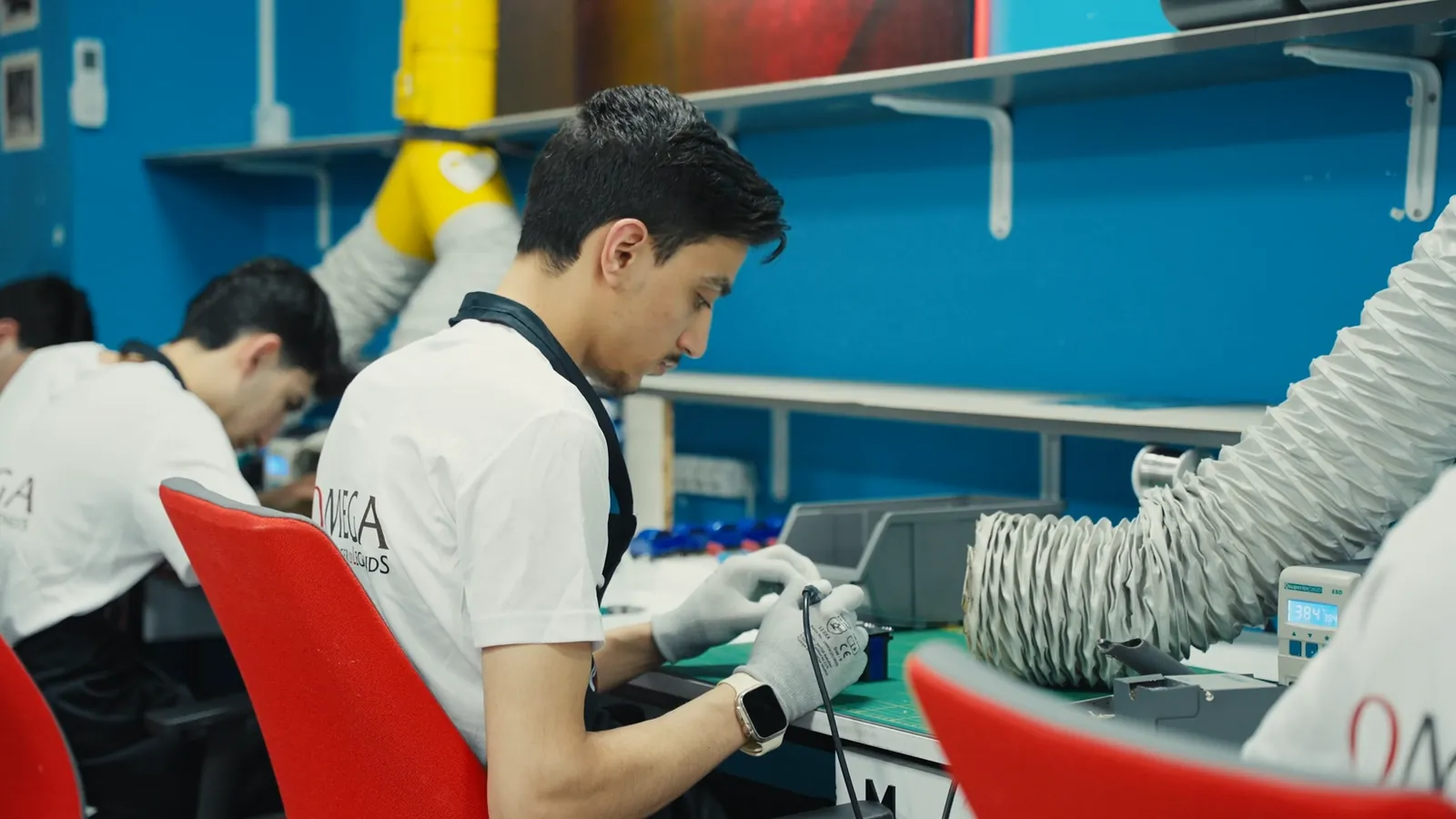
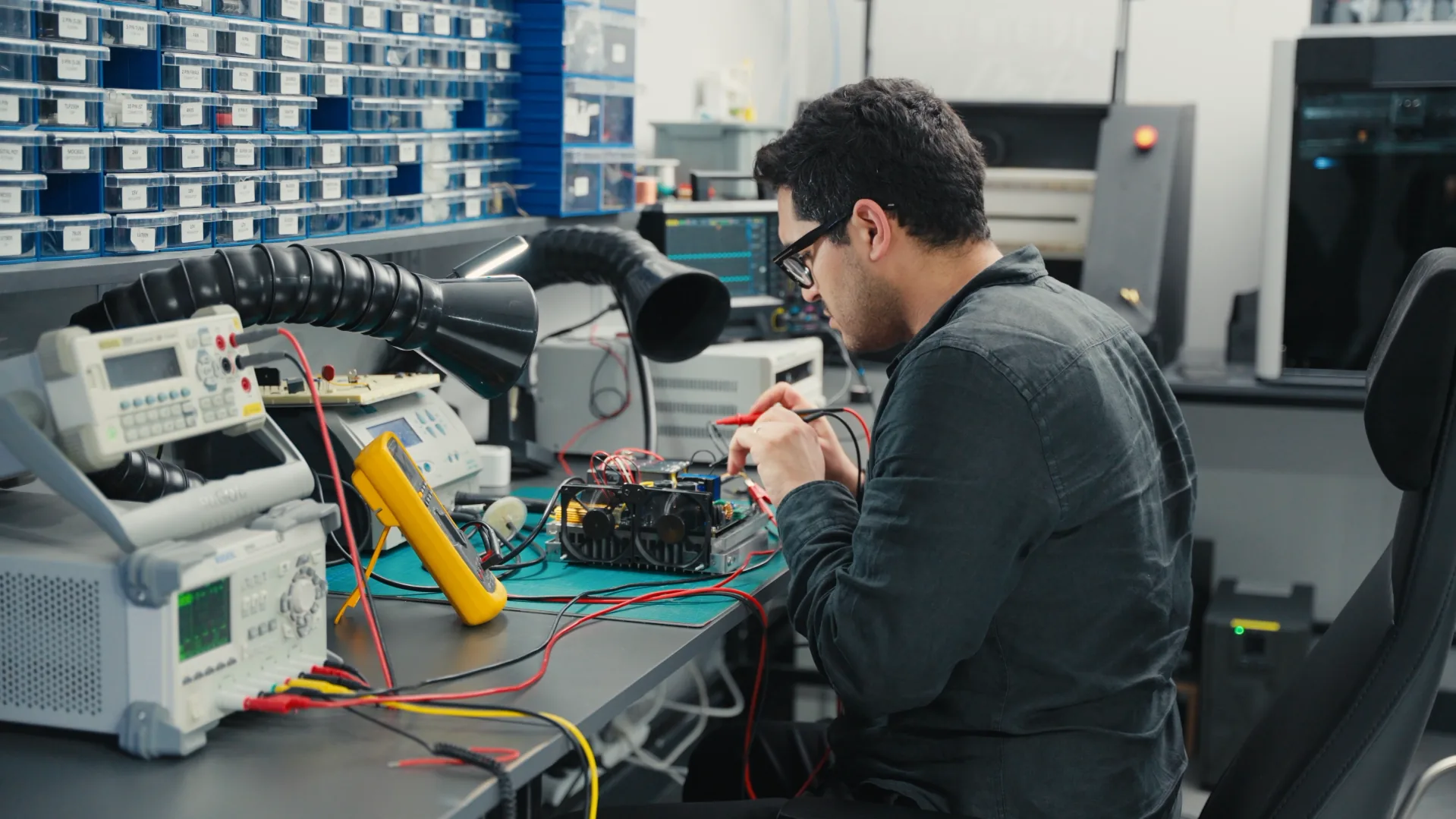
Component placement and soldering are done at stations with fume extraction. High-current paths in the power section are inspected separately.
03
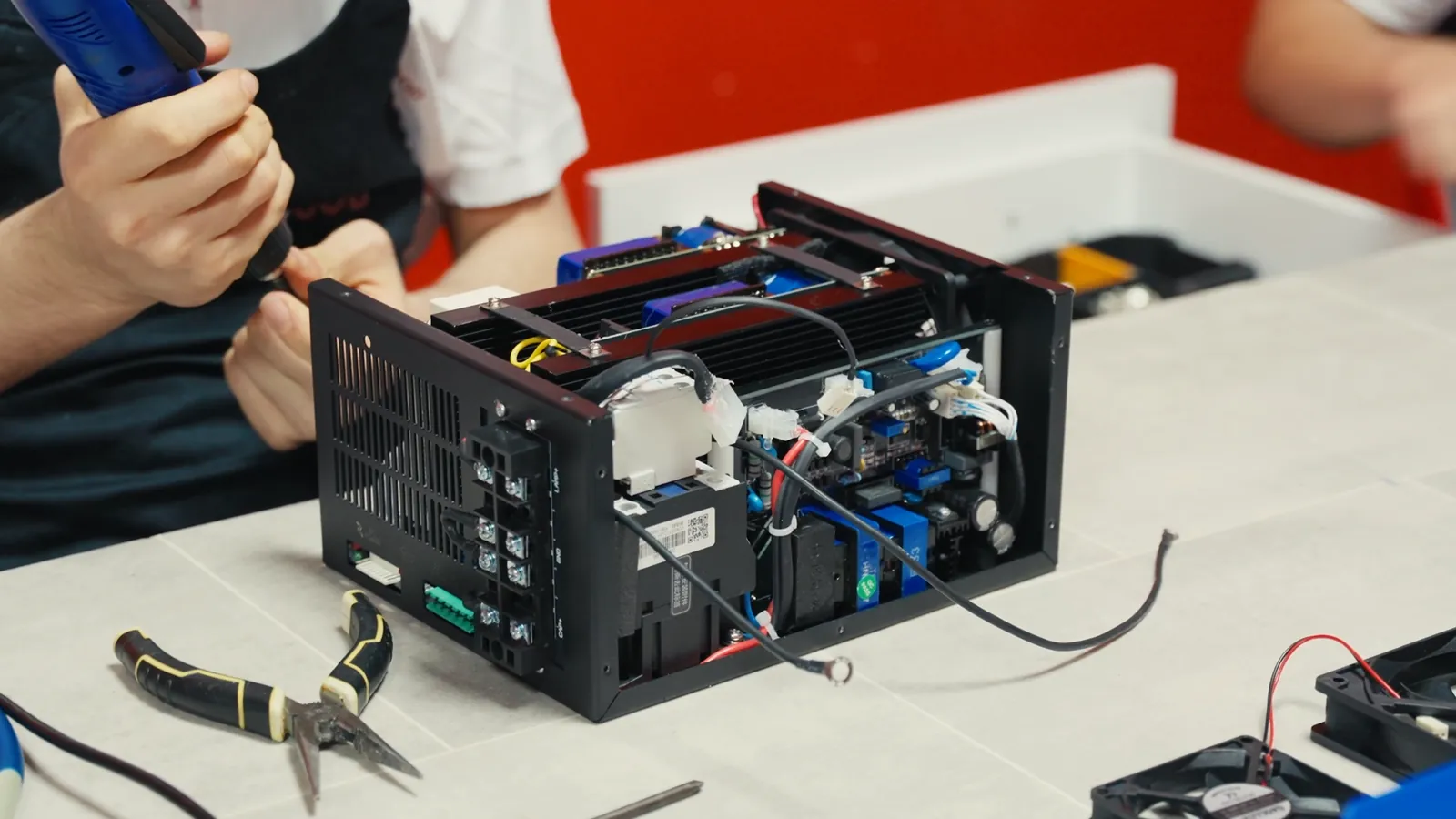
The board, heatsink block, fan and terminals are mounted into the enclosure. The high-voltage section is physically separated from the control section.
04
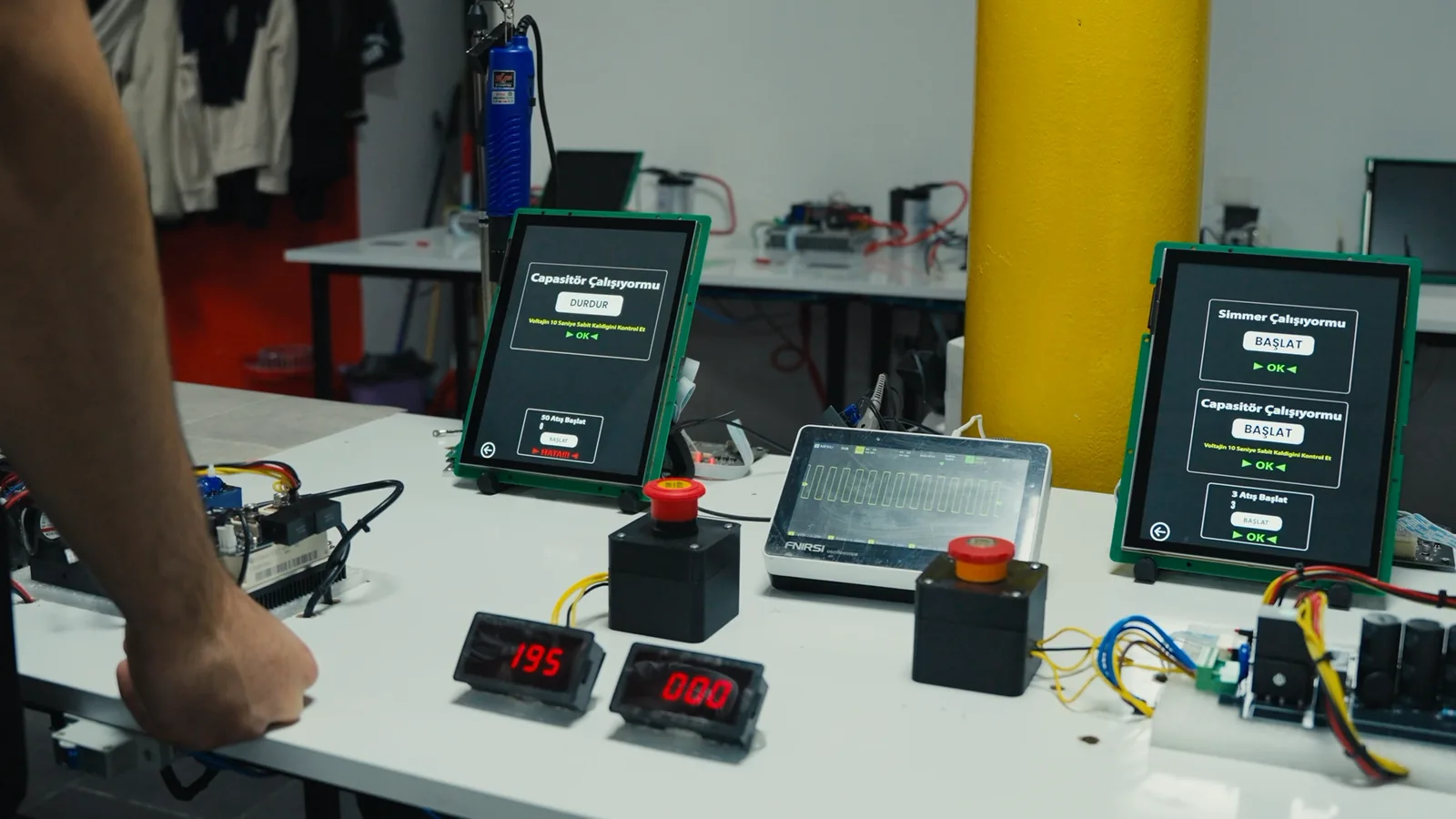
Boards are placed on a test fixture of our own design. Supply rails, control signals and protection circuits are verified one by one.
05
Every unit runs under load before shipping. The measurement is recorded against the serial number, so a unit in the field can be serviced years later knowing exactly what values it left with.
06
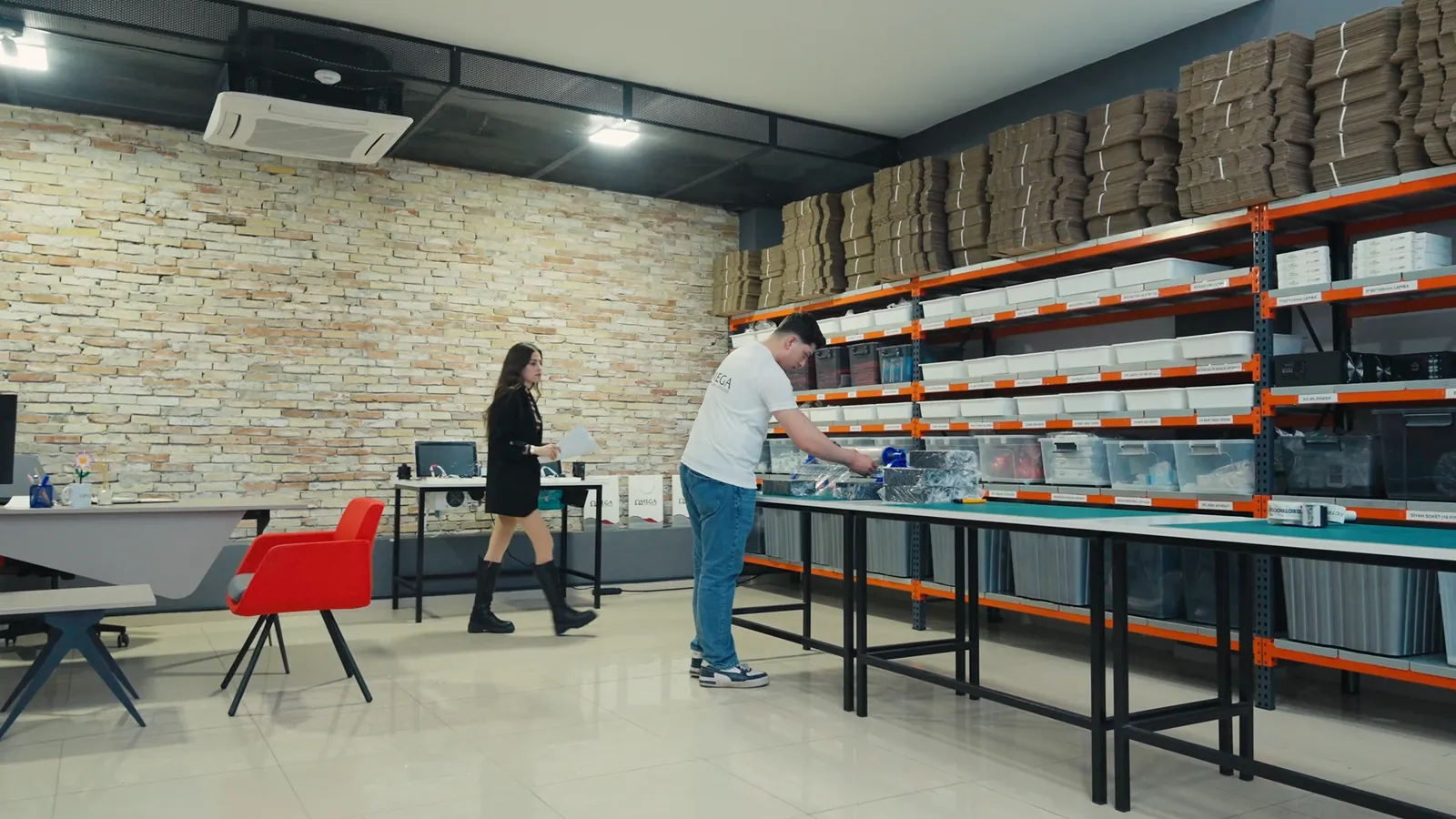
The unit is packed with its spare parts and manual. Stock is held per produced revision to support long-term spare part supply.
Technology
When a customer asks whether a value can be changed, we can answer the same day, because the place to change it is in a schematic we drew.
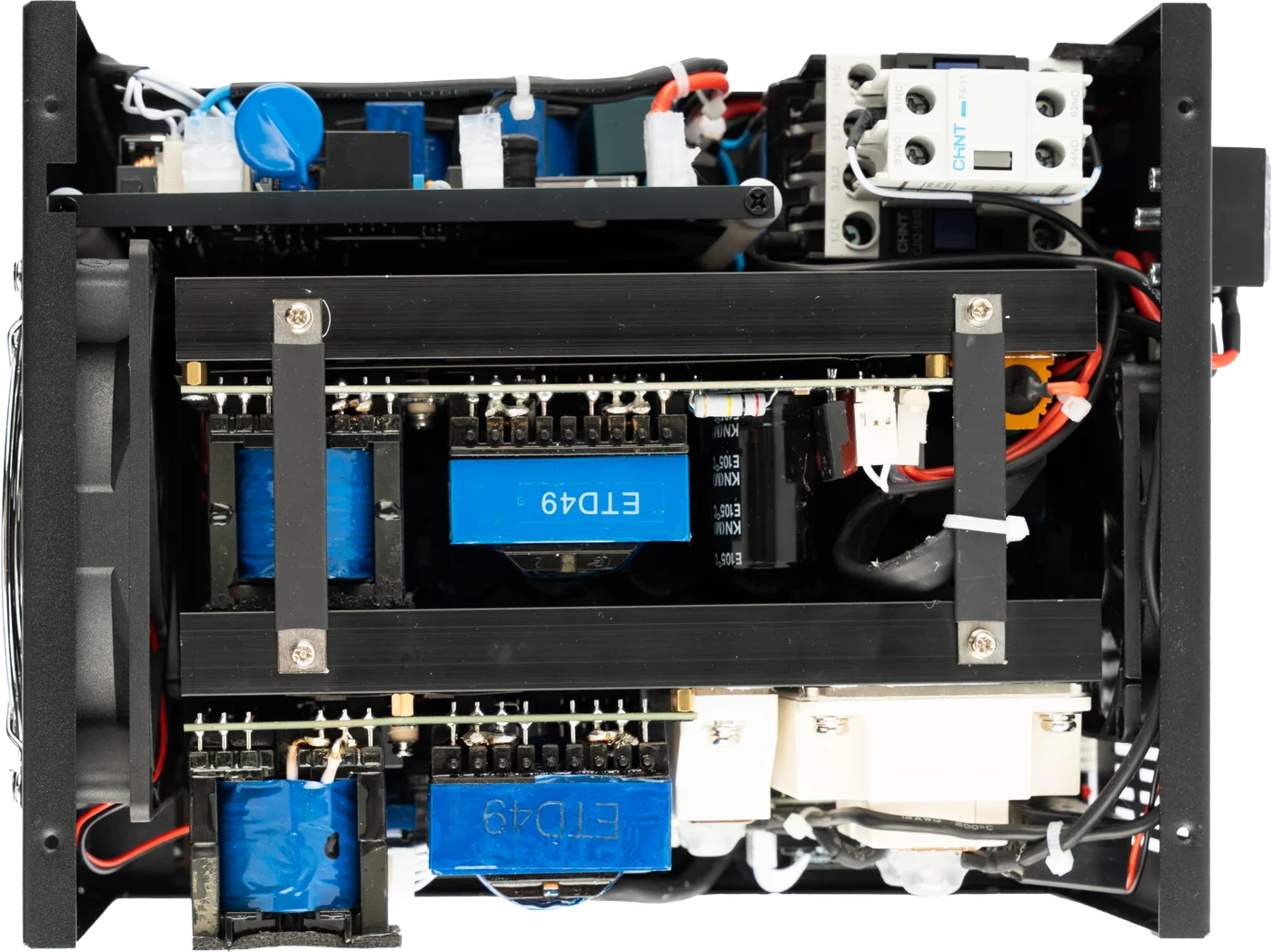
Every revision is documented. A unit built years ago can still be repaired with the correct revision board.
Over-current, over-voltage, thermal and interlock protection are standard hardware, not options.
Test fixtures are our design too. For a new product family, the fixture is developed alongside the product.
Connector layout, enclosure dimensions, output values and firmware behaviour are adapted to your device.
Spare part and board supply continues for older revisions even after the product family is updated.
The IPL and DIODE product groups passed CE, EMC and LVD testing at a TÜRKAK accredited laboratory.
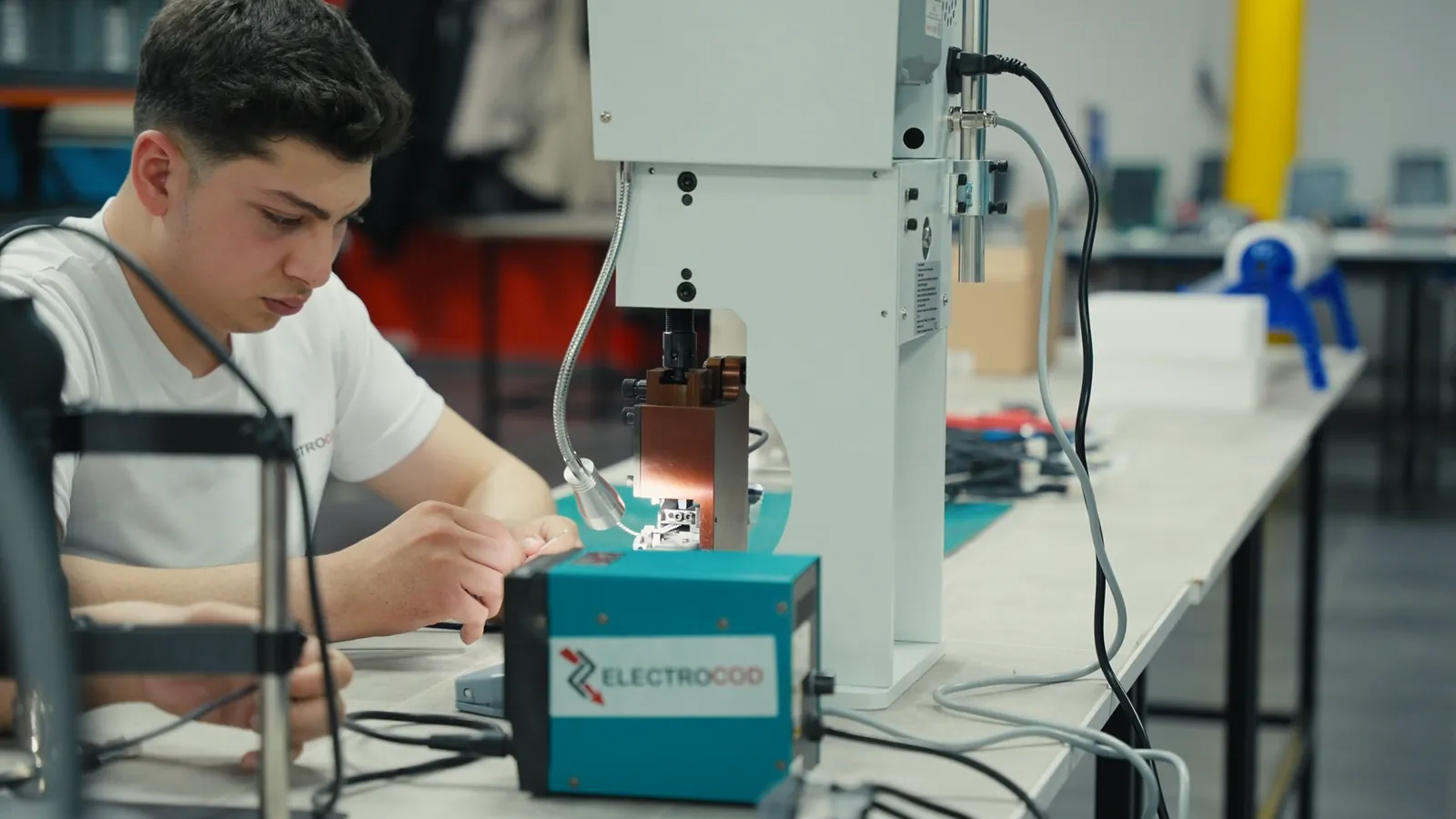
Equipment
Every workstation, from board assembly through load-tested verification, sits in the same facility. No step is outsourced, which keeps both lead time and quality in one pair of hands.
Monthly capacity varies by model and project scope. Quantity and lead time are confirmed at the quotation stage, based on your device's requirements.
OEM process
The path we follow when developing a power unit specific to your device.
From the facility
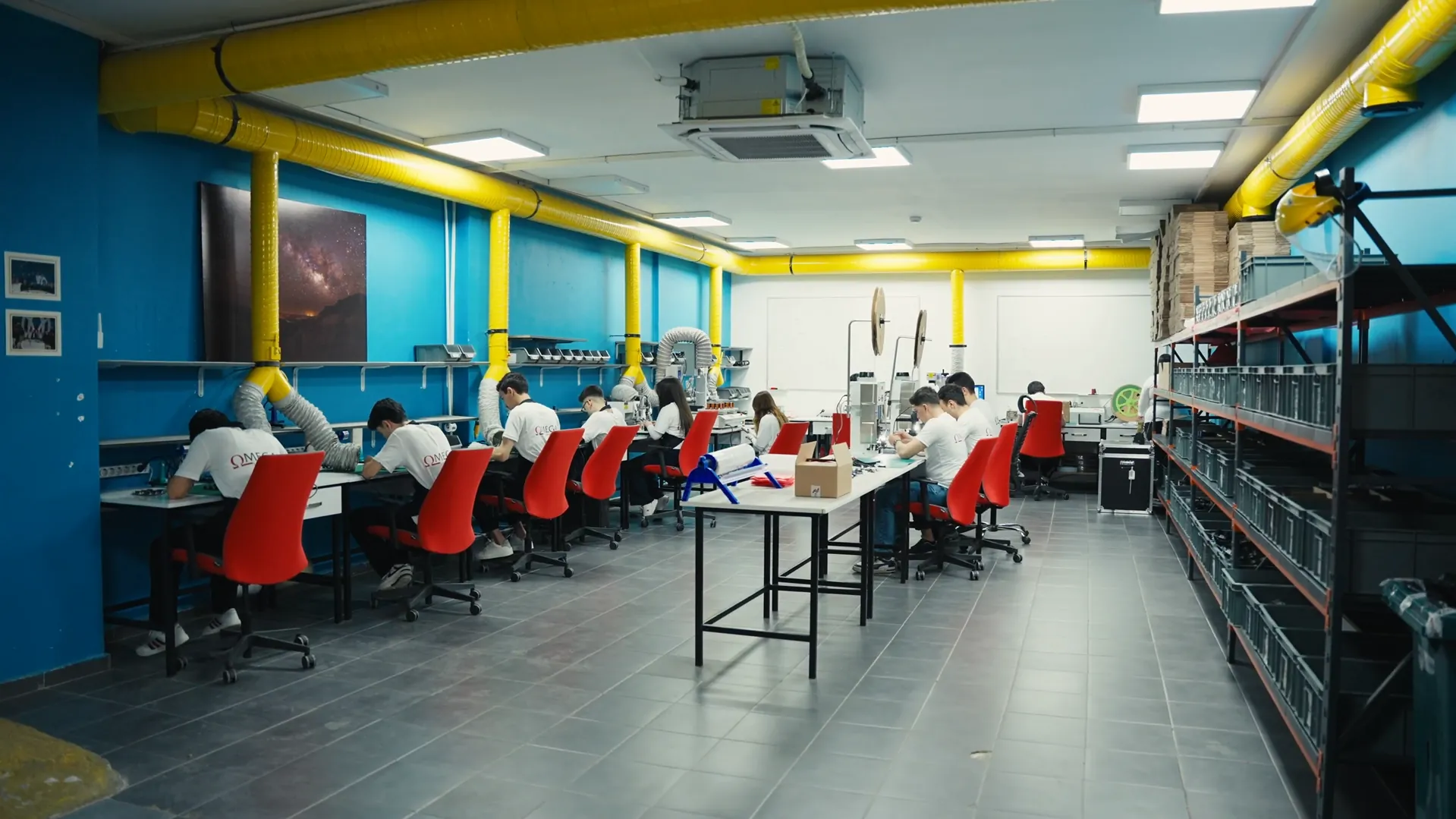
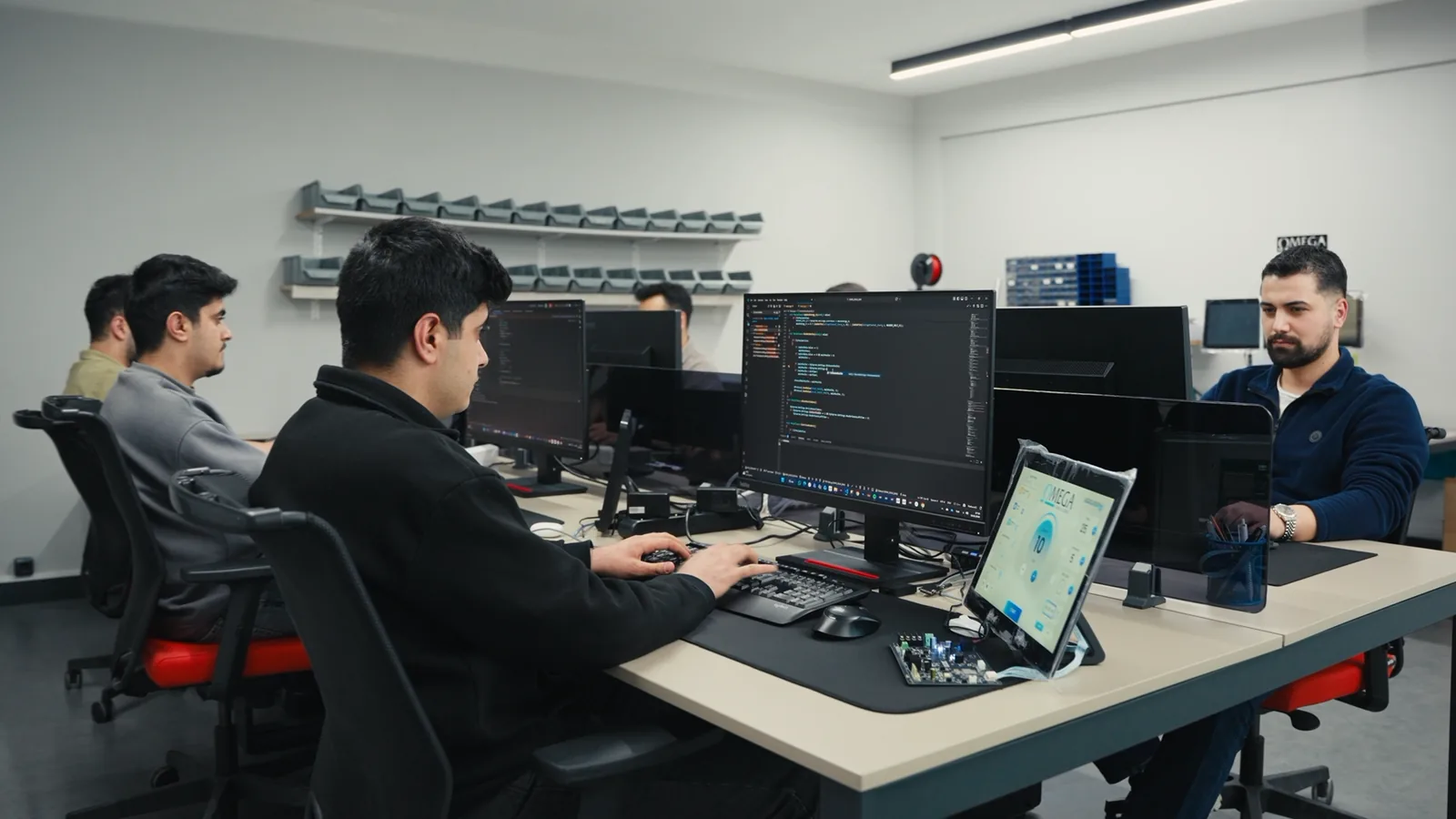
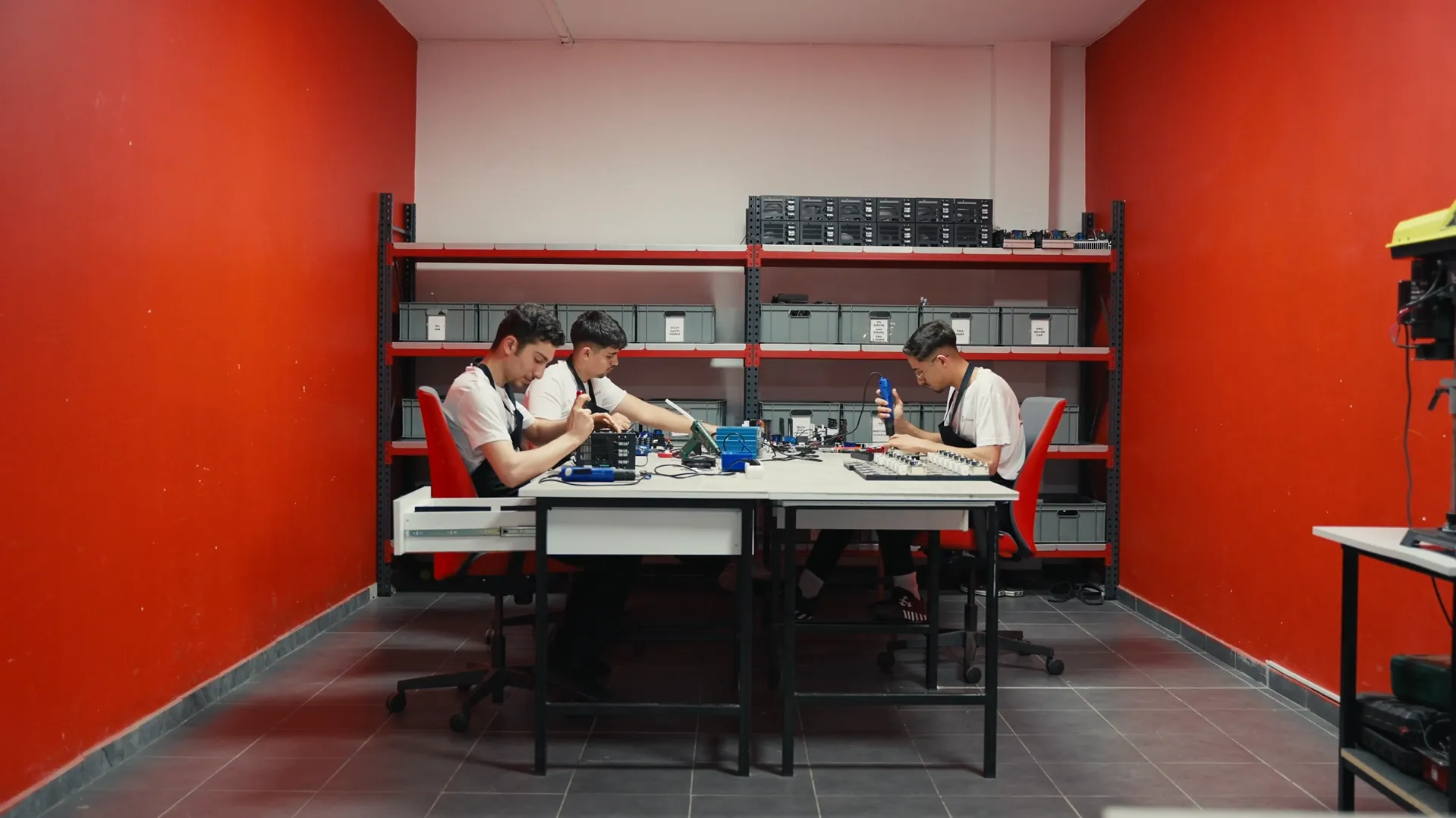
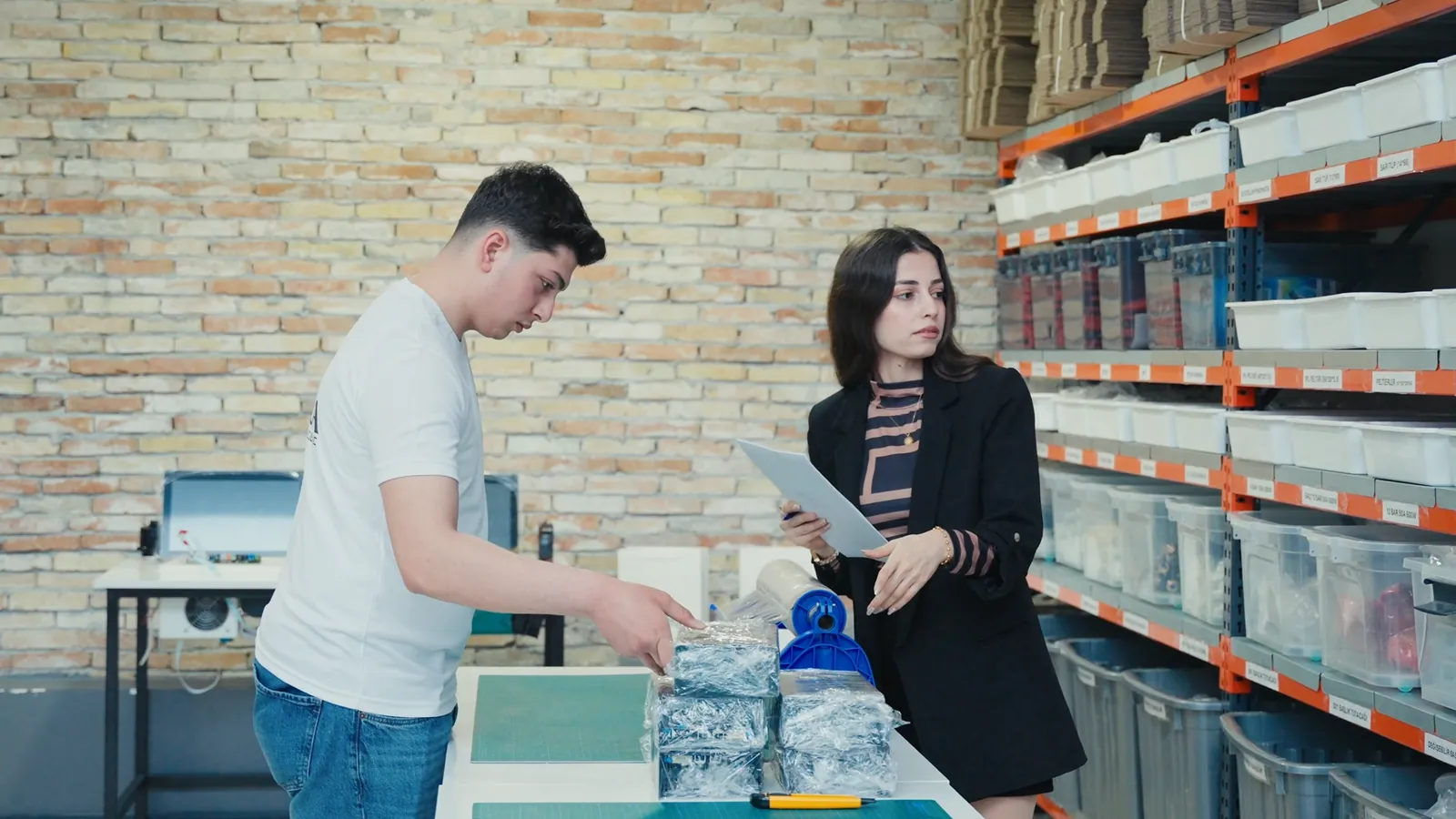
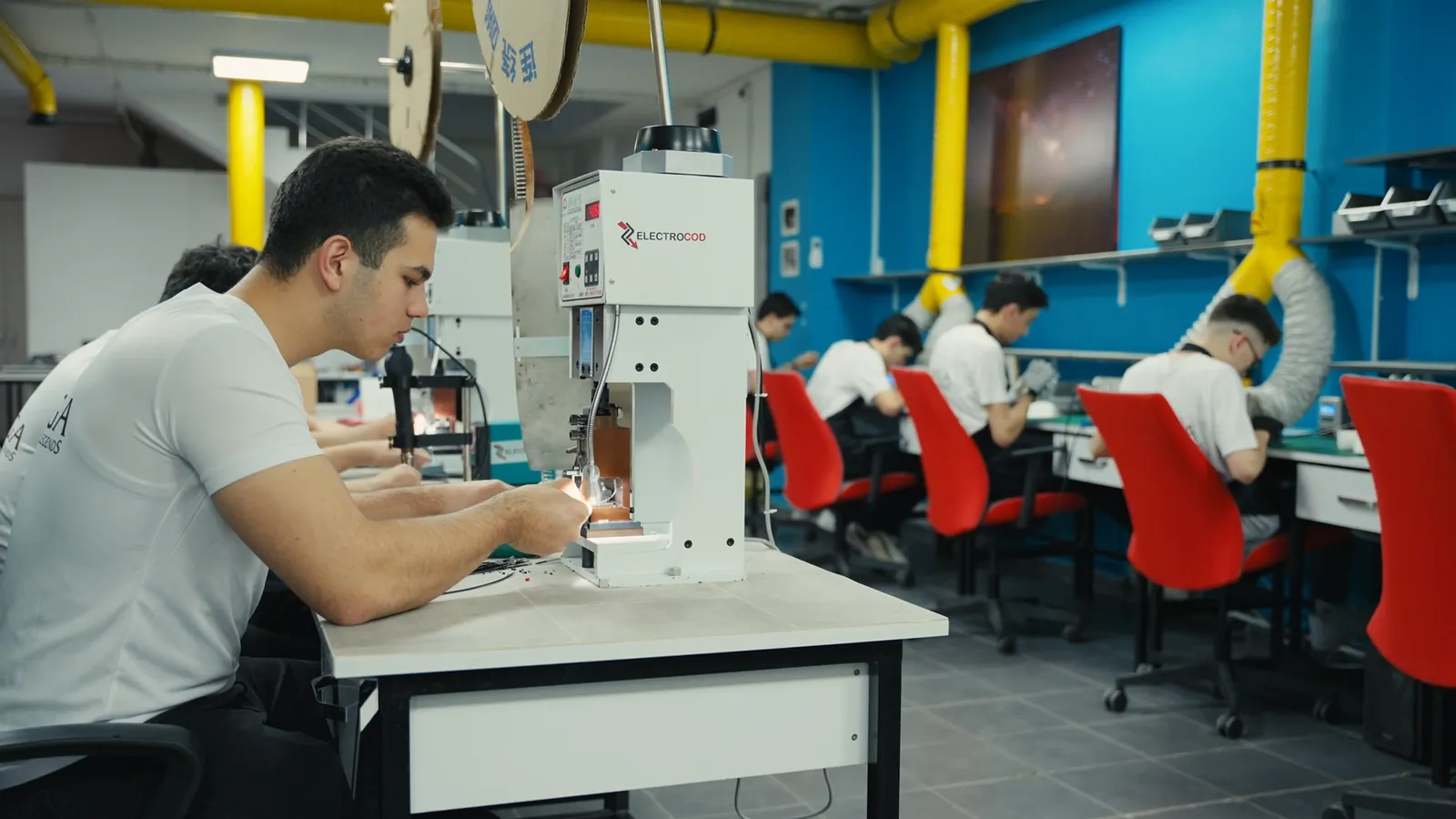
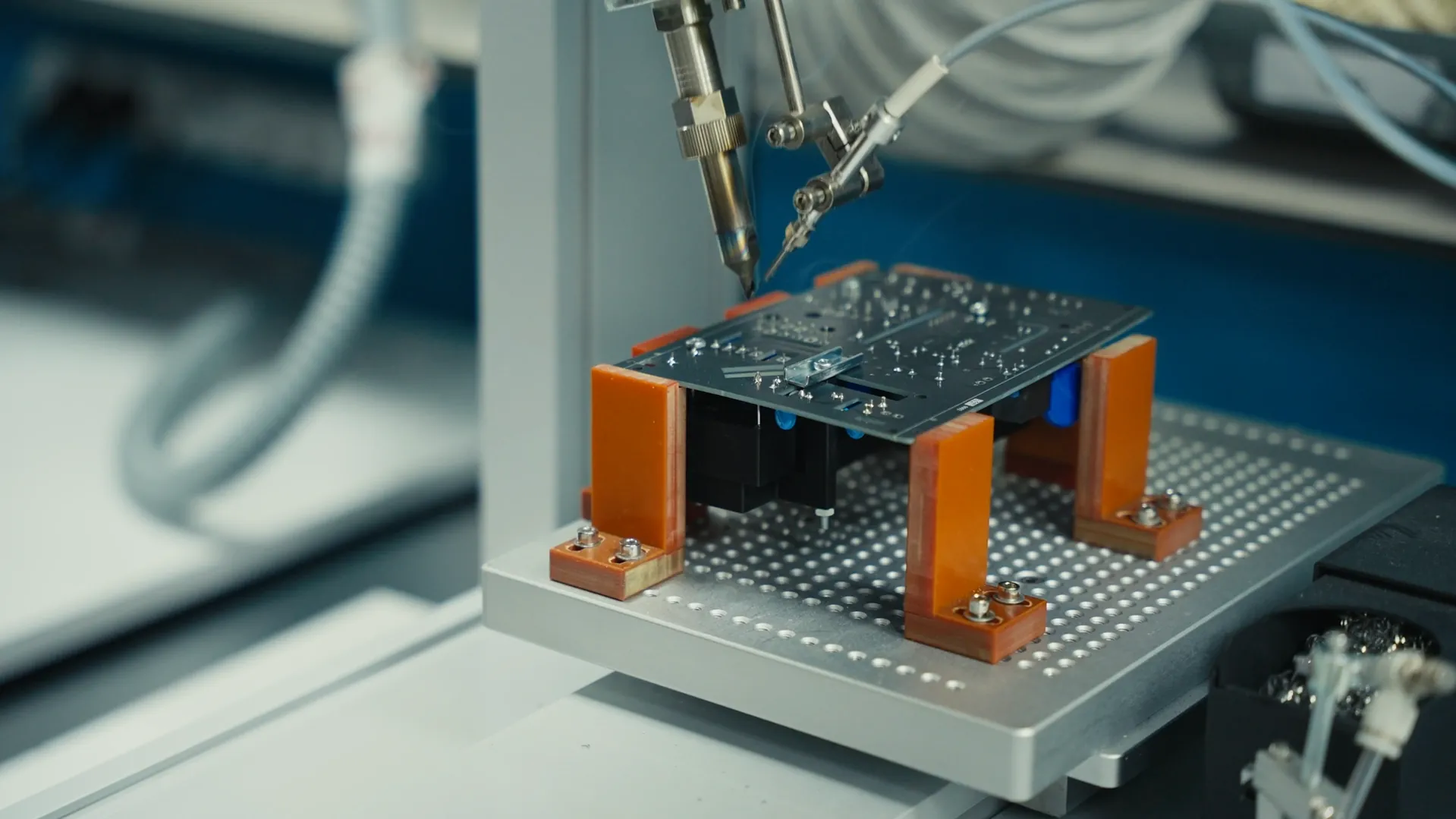
Share the device type, target values and quantity; our technical team will respond with a suitable product family and integration plan.
Technical document
The manual is ready. Choose a language:
If the download did not start, click the button above. For technical questions, please use the contact form.